Excellence Strategy 

Our Clusterprojects

Goethe University successfully applied for the continuation of the Cardio-Pulmonary Institute (CPI) Cluster of Excellence and the establishment of the SCALE Cluster of Excellence in the Excellence Strategy of the German federal and state governments. The projects bring Goethe University's research strengths in the humanities, social sciences, natural sciences and life sciences together with the complementary expertise of its regional and national partner institutions.

Press release: Goethe University Frankfurt Celebrates Two Future Clusters of Excellence

What is the Excellence Strategy?

In 2019, the German federal and state governments launched the Excellence Strategy to promote top scientific achievements and research collaborations, as well as to strengthen the profile of German universities. While funding line I focuses on clusters of excellence, i.e. initiatives in which universities and research institutions conduct joint research, funding line II focuses on select universities of excellence, and is aimed at expanding their top position in research.


Our Clusters of Excellence


Cardio-Pulmonary Institute (CPI)

When mutated cells cause damage to the heart


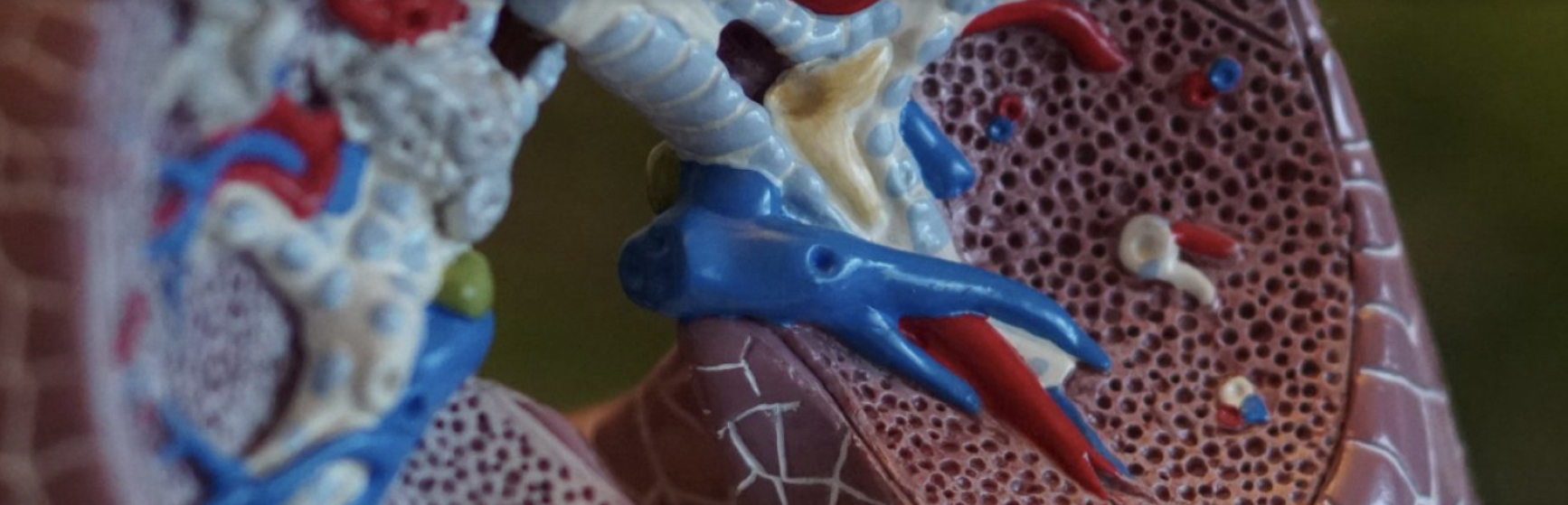
The Cardio-Pulmonary Institute (CPI) Cluster of Excellence investigates molecular processes in the interaction of the heart and the lung, and what happens in cells and tissues in cases of heart and lung disease. With a view towards developing innovative treatment methods for patients, scientists specialized in basic research work together with colleagues from the clinical field.

CPI continues the successful work of the Cardio-Pulmonary System Cluster of Excellence (ECCPS), which received funding from 2006 to 2018 as part of the Excellence Initiative, i.e. the Excellence Strategy's predecessor program. The unique interdisciplinary center brings together scientists from Justus Liebig University Giessen, Goethe University Frankfurt and the Max Planck Institute for Heart and Lung Research (Bad Nauheim).

CPI's spokespersons are Prof. Dr. Werner Seeger (JLU Giessen) and Prof. Dr. Stefanie Dimmeler (Goethe University Frankfurt).


SCALE

How cells really work


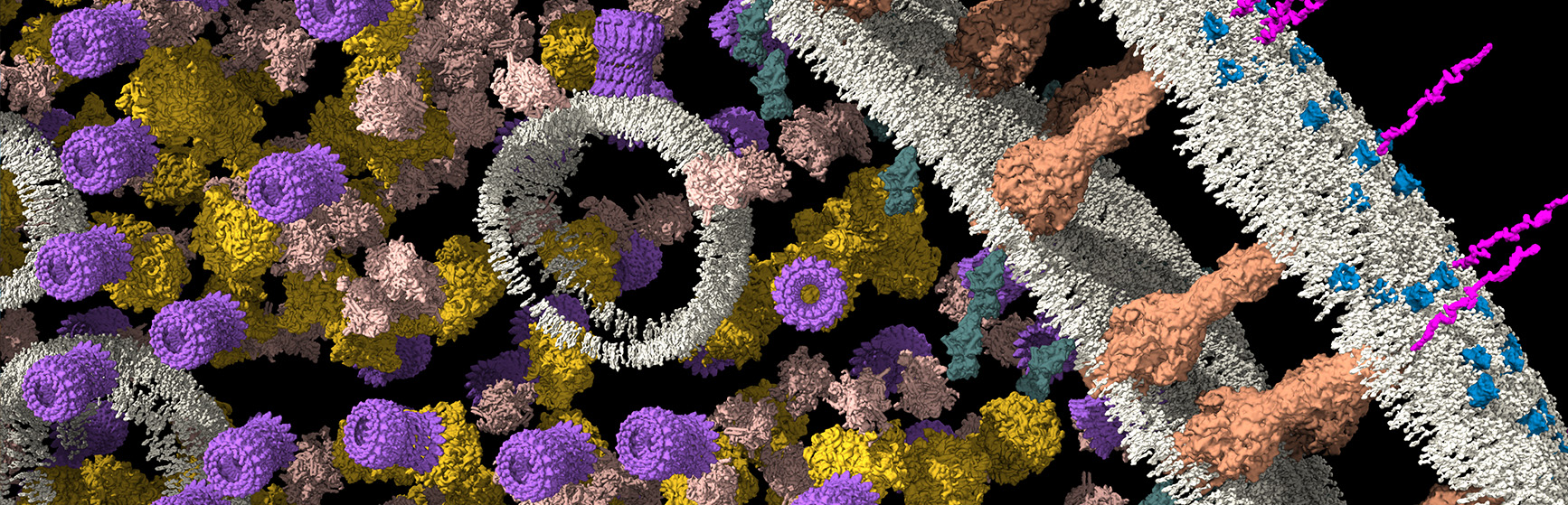
Thanks to modern imaging techniques, cells can now be studied down to the micro level of atoms. The cluster initiative SCALE (SubCellular Architecture of LifE) intends to use this methodology to uncover the principles of how cells organize themselves. 

SCALE scientists are using their expertise in the analysis of RNA and membrane protein complexes to create a simulation of the cell in a high spatial and temporal resolution. In so doing, they are hoping to gain a better understanding of how cells really operate and how their various "machines" work together. Although the functions of many individual molecules have already been the subject of scientific research, it often remains unclear how the architecture inside a cell is formed, how it functions and how the individual elements interact. 

SCALE's spokespersons are Prof. Dr. Martin Beck (Max Planck Institute for Biophysics/Goethe University Frankfurt) as well as Prof. Dr. Inga Hänelt and Prof. Dr. Michaela Müller-McNicoll (both Goethe University Frankfurt).

Research at Goethe University Frankfurt 

Since its foundation, Goethe University Frankfurt has provided an open space for progressive approaches, experiments and thoughts. Find out more about our research and our research profile.


Contacts


Contact persons for the Clusters of Excellence at the Excellence Strategy Unit


David Jungmann
Advisor
069 / 798 - 15167
jungmann@em.uni-frankfurt.de


Corinna Sonntag
Advisor
069 / 798 - 17412
c.sonntag@em.uni-frankfurt.de